Prepared for the Pegula family · September 2026
“We’re a very individual sport.”
Jessica Pegula, to the Associated Press in May, on why the Slams have “kind of just gotten away with paying not that much.” This page is about the second half of that sentence.
Associated Press · 11 May 2026 · Eight sections, about five minutes
In the stands in Atlanta, watching his sister play · Season 2
A gender-balanced Professional Team Tennis League
Eight playing weeks in the middle of the summer. Switch the view to see the same season against the American sports year, or against the college calendar our players come from.
Where our players have been on the tour, and where they sit on the rating that covers everyone. The orange rule is where tennis starts paying for itself.
UTR: our players against the tour’s
Down to the wire; Sudden Death
Two Arcs that finished a point apart. Each clip picks up in the closing minutes, with the full Arc a click away.
Sudden death, level at 142
The final three minutes of Freeze v Rise, 20 June. The clock runs out with the teams tied, and the next point decides it: 143–142.
Match Center ↗One point, one minute left
The final minute of Outriders v Inferno, 25 June. It finishes 150–149, with the winner’s cheque on court.
Match Center ↗Two points that flipped the score
One from the net, one from the low camera. Each is about twenty seconds, and each one changed the scoreboard.
Low angle, the final Bolt
The last play of the Bolt from the low camera: a two-pointer that takes the Sting from 86–87 to 88–87. 22 seconds.
Match Center ↗Mixed doubles, last seconds
Dalayna Hewitt’s two-pointer in the closing seconds against Rise, 15 July — 156 to 158, level. 18 seconds.
Match Center ↗■ The other half of the sentence
Tennis isn’t underpaid because it’s small. It’s underpaid because it’s individual.
She finished the thought herself: “We’re not on a salary where football players or basketball players can afford not to play.” Nobody has built tennis the other way.
Why the structure sets the share
In the leagues the family knows, players are employed by teams that sit inside a league, and what they’re paid is a property of that structure. Tennis asks every professional to be a one-person business, bargaining alone and funding her own travel. Jessica’s own words for it were “an insane difference.”
INTENNSE is tennis built as a team sport from the first day: a professional draft, rosters, league-provided coaching and a season with standings. We aren’t claiming to have solved the revenue question for the whole sport — roughly eighty players are paid a $40,000 base for an eight-week season, with total earnings of up to $70,000. The claim is narrower. In team sport, competing is a paid job. In tennis, nobody is paid to compete at any ranking: prize money has to be won, and even the guaranteed income at the top comes from sponsors, not from the sport.
■ Something the family has done before
Men’s and women’s programs, built together from nothing.
In 2010 Terry and Kim Pegula gave Penn State $88 million, the largest private gift in the university’s history, to take men’s and women’s hockey to Division I at the same time — and to build the arena they play in.
Why that is the INTENNSE model
The commitment grew to $102 million. Fifteen years on, the men reached the Frozen Four. The lesson we take from it: build both programs at launch, give them a real home, and the audience arrives.
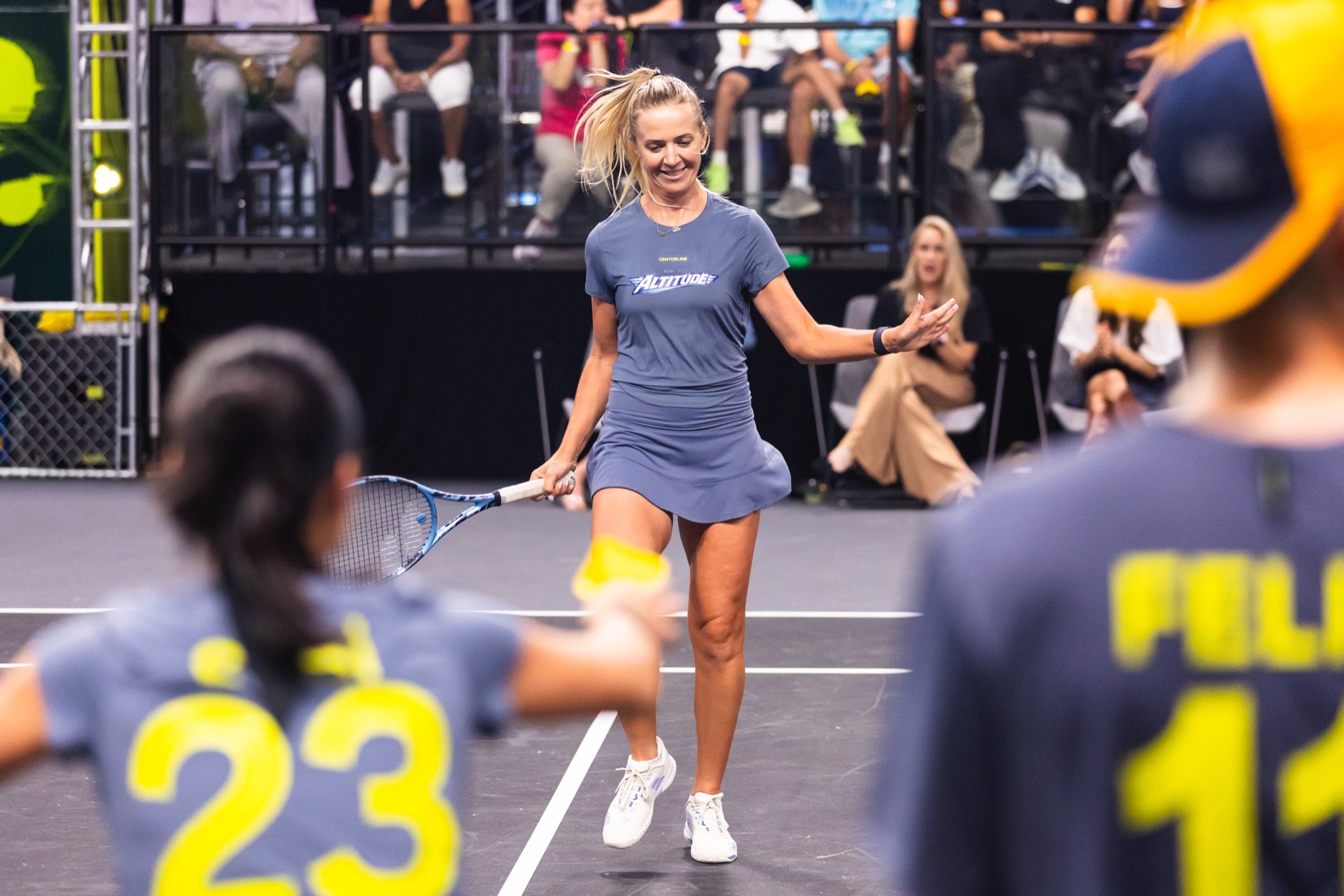
Every INTENNSE team fields three men and three women in the same match, on the same court, in front of the same broadcast, and the women’s results decide the tie exactly as much as the men’s. So every team that exists creates as many paid professional places for women as for men. It isn’t a policy. It’s arithmetic.
This year’s draft drew 373 applicants, 144 of them women — up 748% on the year before.
■ What already exists










A season that already runs.
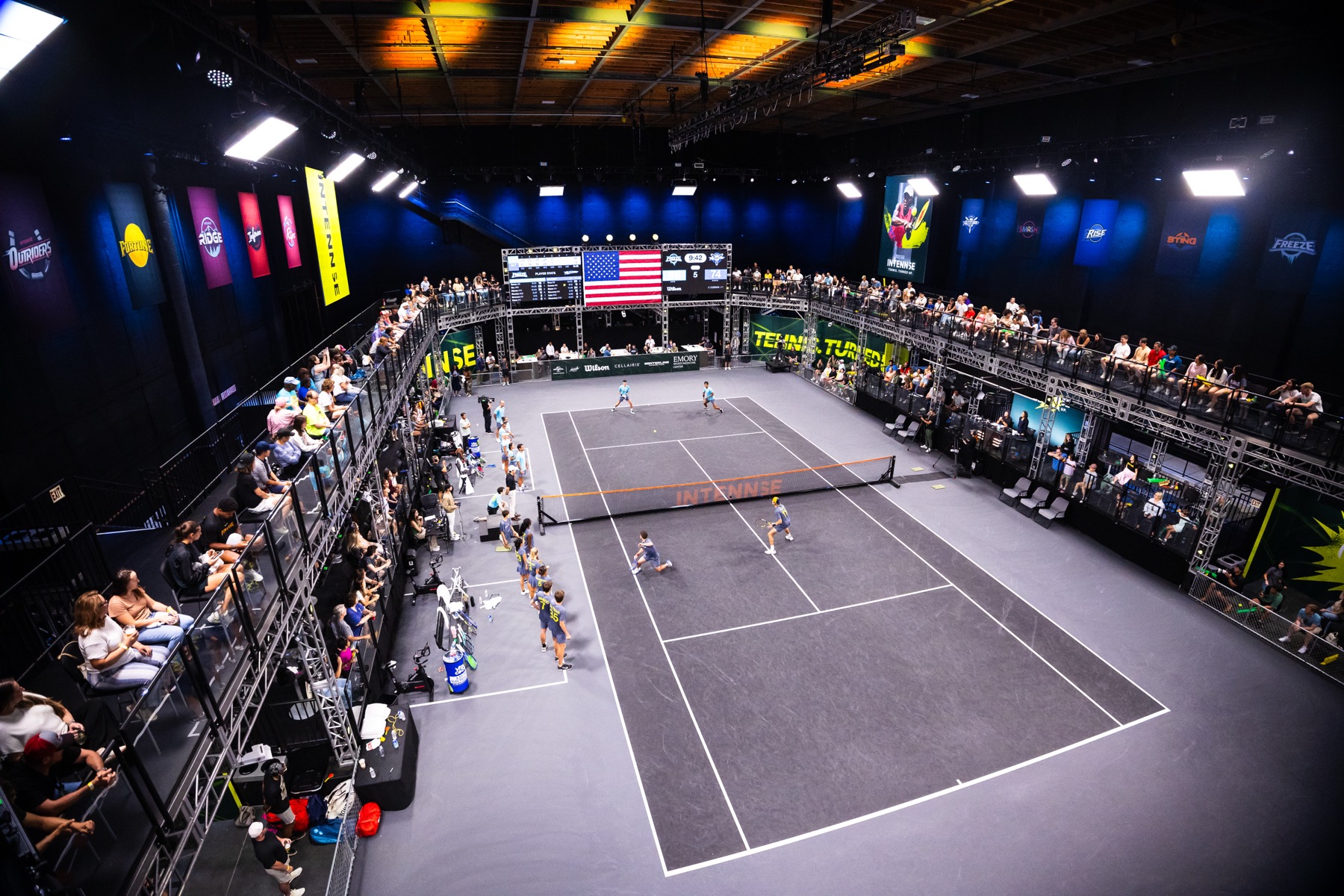
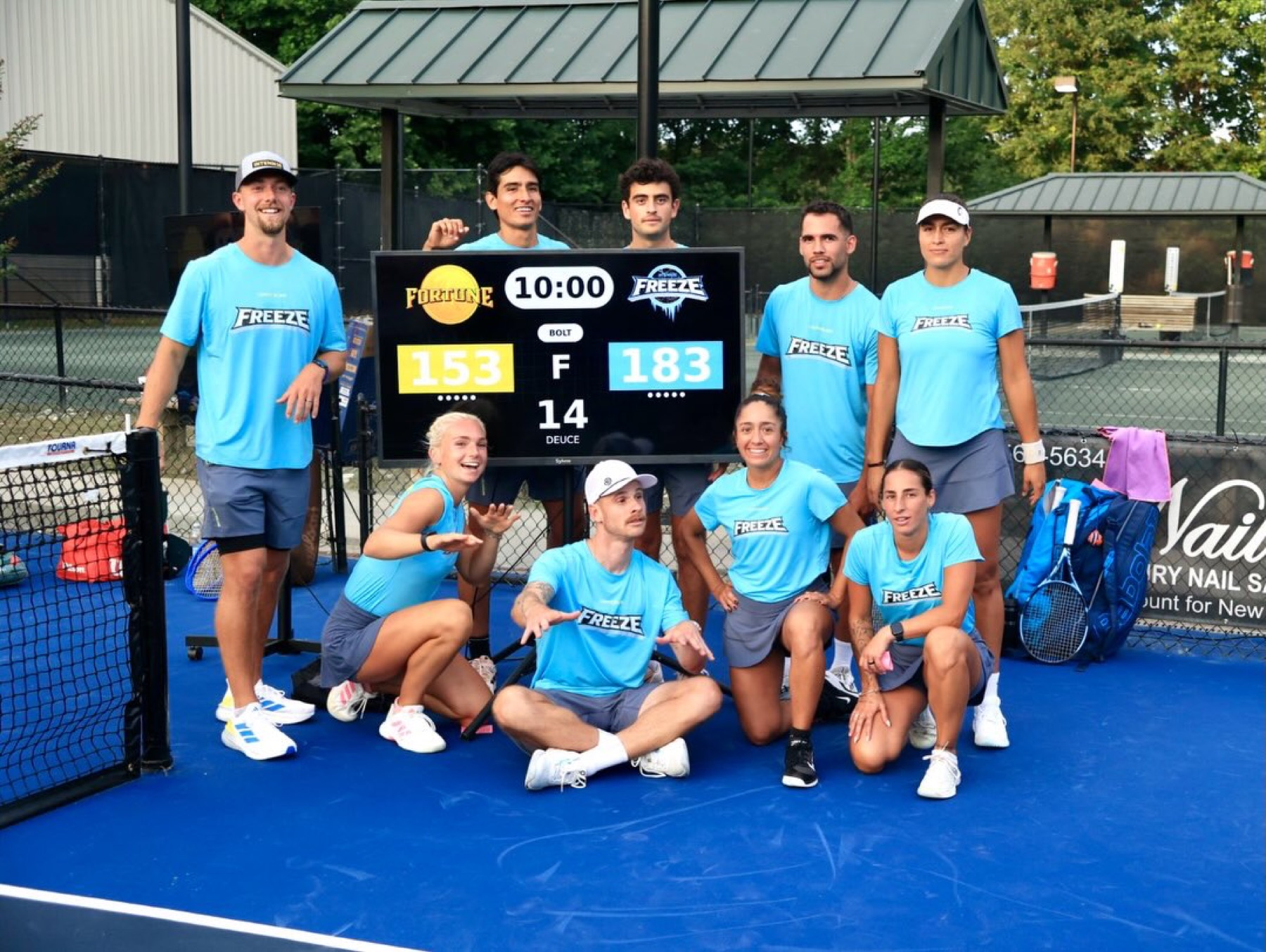
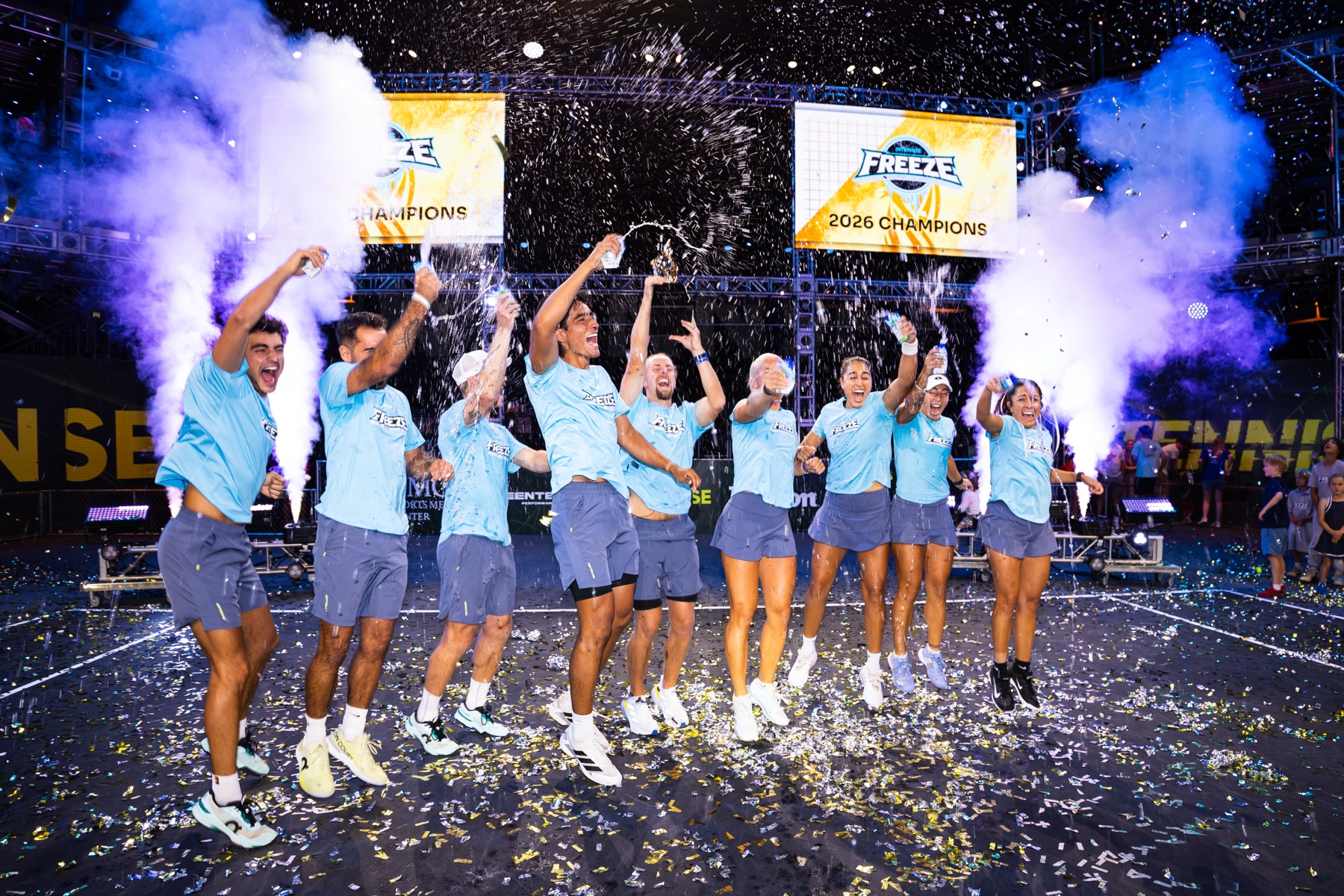
Ten professional teams, eight weeks, fifty-one matches, all of it staged in one metro for now. Season 2 closed on 1 August with Freeze beating Outriders 137–130.
How an INTENNSE match works
Each match, which we call an Arc, is time-boxed: it starts and finishes when the schedule says it will. Singles and doubles count equally toward one team score, a serve clock and a single-ball rule keep it moving, and the result is decided by points banked across the whole night rather than by who wins the last set.
It was built to be watched in the room and on a screen, which is the thing tennis has never been designed for.
The Rules of INTENNSE, explained · 2:04
Record live concurrents across the final series.
Nearly 8,000 fans through a 500-seat arena.
Two broadcast, two RSNs, seven FAST, three streaming — 60% of watch time on TV.
Average across forty local airings on Peachtree; the best single Arc drew 116,000.
■ The premise
The team doesn’t visit. It lives there.
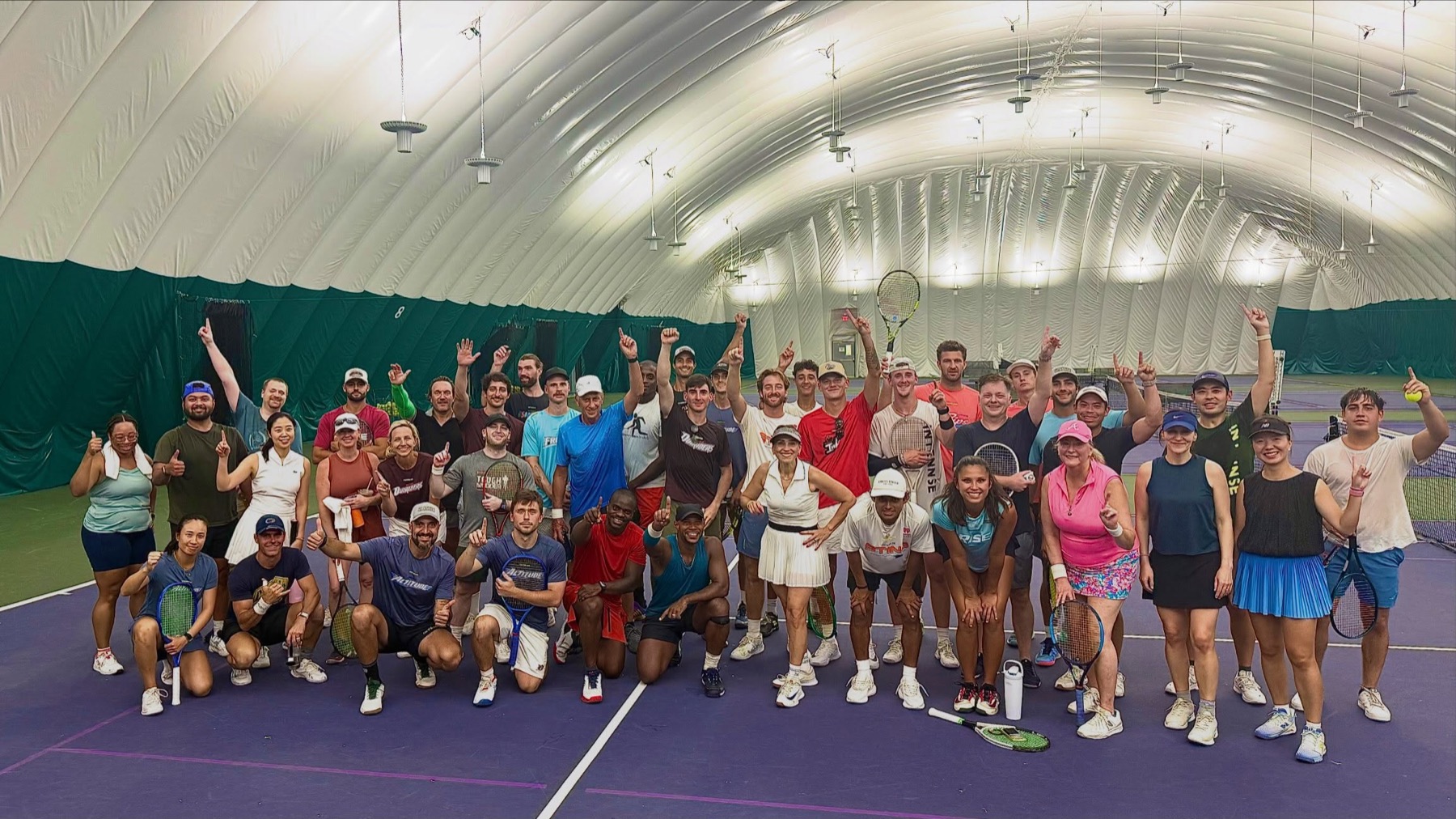
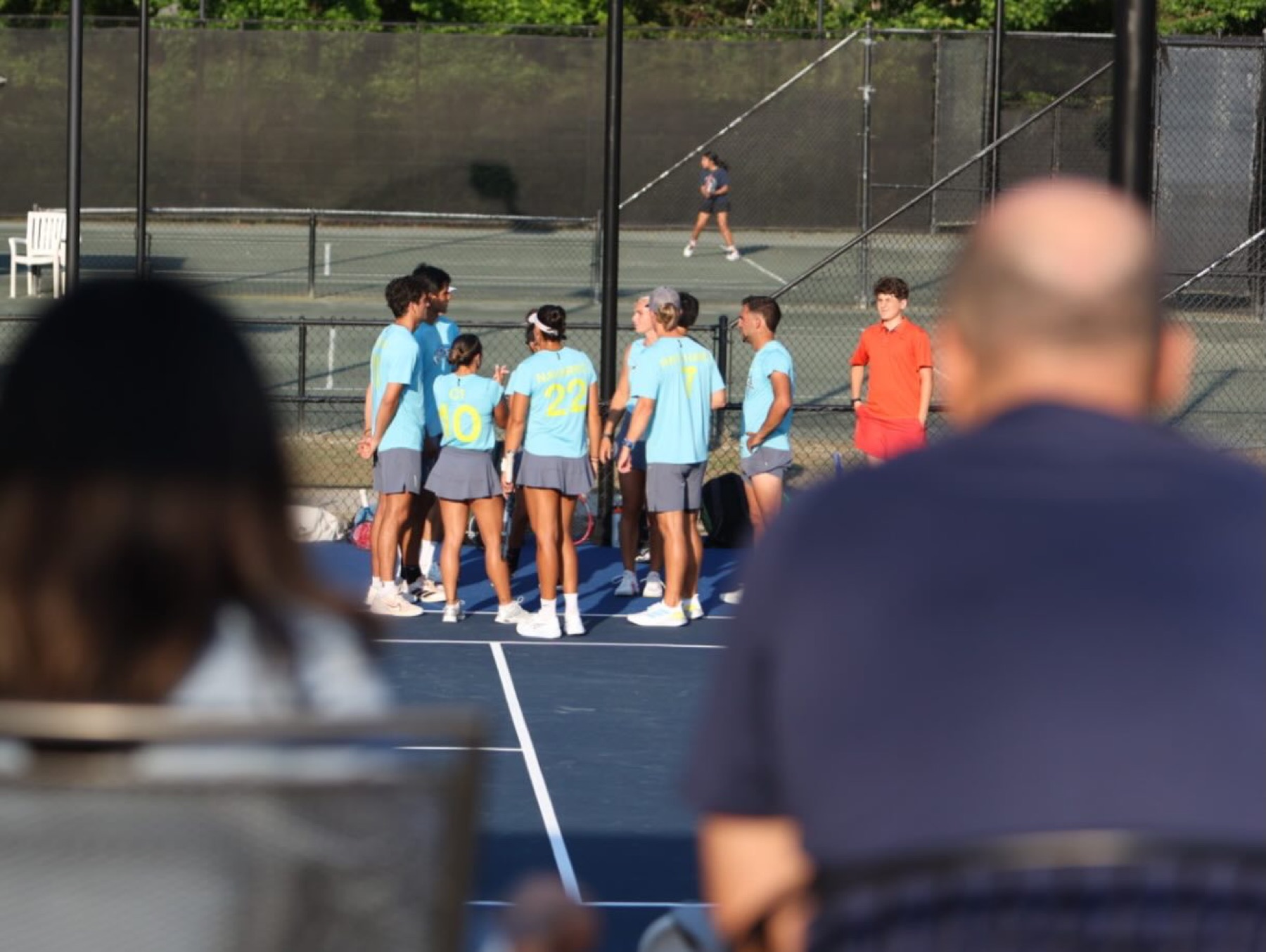
Every INTENNSE team has a home club — not a venue it books, but a club it trains in, year round, alongside the members. It runs on courts the sport already has.
Why that matters to a team’s value
A tour arrives in a city, is watched, and leaves. The relationship resets every year. A resident team does the opposite: the professionals are in the building on ordinary days, next to the juniors on the next court and the adult league on a Wednesday night.
That is where team identity comes from, and the family knows it better than we do. Fans don’t attach to a fixture list. They attach to people they have met, in a place they already go.
And because the format runs on ordinary club courts, in a dome on a weeknight or on a public facility, a new market doesn’t need a new building. The arena is where we broadcast from; it isn’t what the format requires.
■ The other team tennis
December’s showcase. Summer’s season.
Jessica has already said what she likes about team tennis: “The matches are shorter, the team energy is different, and having players share in the ownership of the league also creates a deeper level of commitment.” We agree with every word.
On the World Team Tennis relaunch · 19 May 2026
World Team Tennis
- When
- Six nights in December
- Where
- Three NBA and NHL arenas
- Who
- Stars from inside the top 15
- Does
- Shows the best players will play for a team
INTENNSE
- When
- An eight-week season in summer
- Where
- Ten teams, each with a home club
- Who
- A drafted professional tier, paid a base to compete
- Does
- Builds the layer beneath the stars, where most professionals live
Why they don’t compete
Different months, different players, different job. A December event series proves the appetite at the top of the game. A summer season with a draft and standings pays a base to compete to professionals the tour cannot carry — the players who, in Jessica’s words, can’t afford not to play.
If team tennis is going to become normal in America, it will take both. Nothing here asks anyone to choose.
■ Someone inside the game said so first
A USTA section director coached a roster here, then wrote about it.
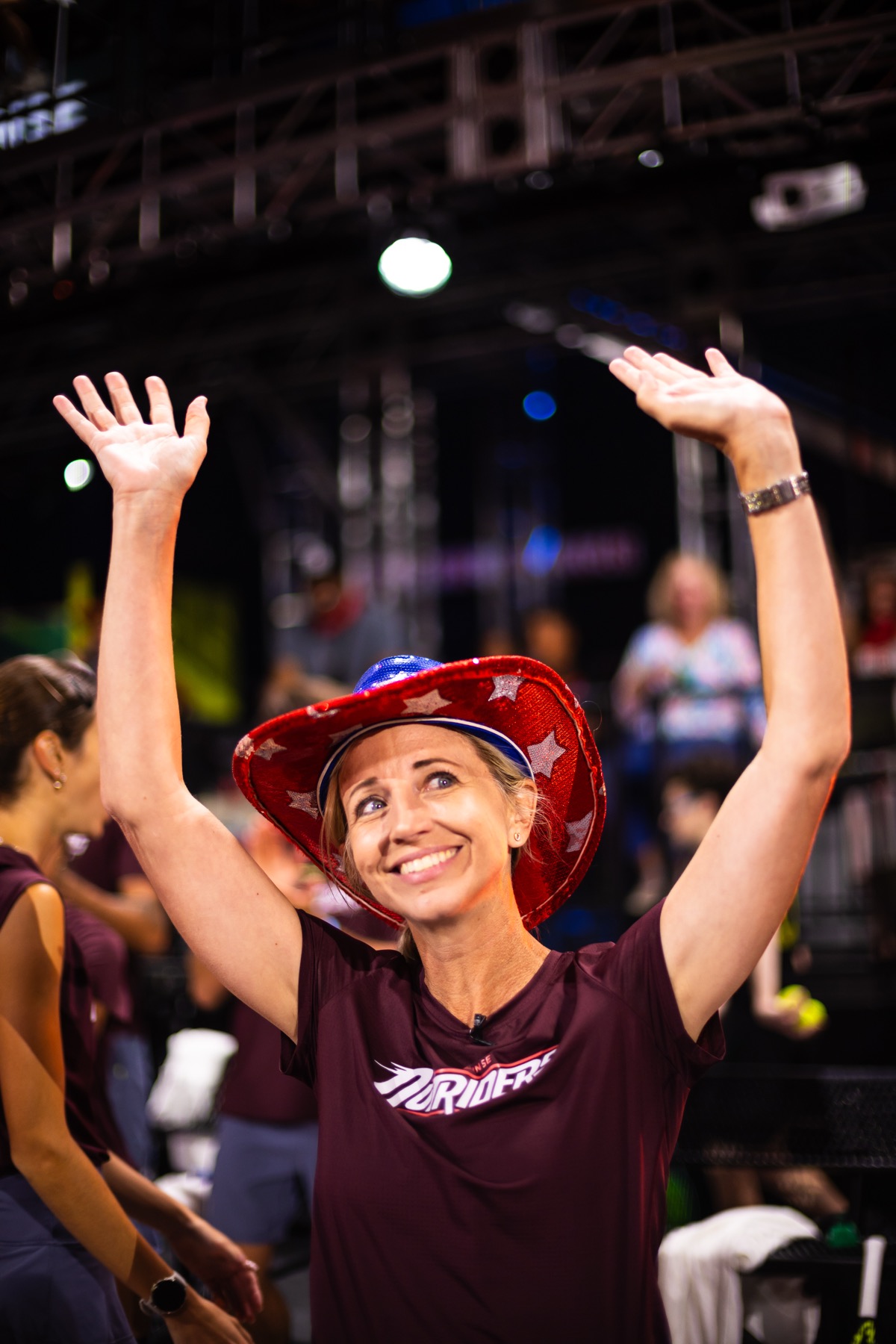
“Innovative, fast-paced, co-ed team format challenged our players in new ways while creating an electric atmosphere that brought a fresh energy to the game.”
Amy Bartlett O’Connell · Executive Director, USTA Atlanta · 31 July 2026
The context
She coached eight INTENNSE athletes through the 2026 season with the Outriders, and wrote about it on her own feed on Championship Weekend. We didn’t commission it and we didn’t pay for it.
She closed with: “I truly believe we’re only seeing the beginning of INTENNSE.”
■ From a player
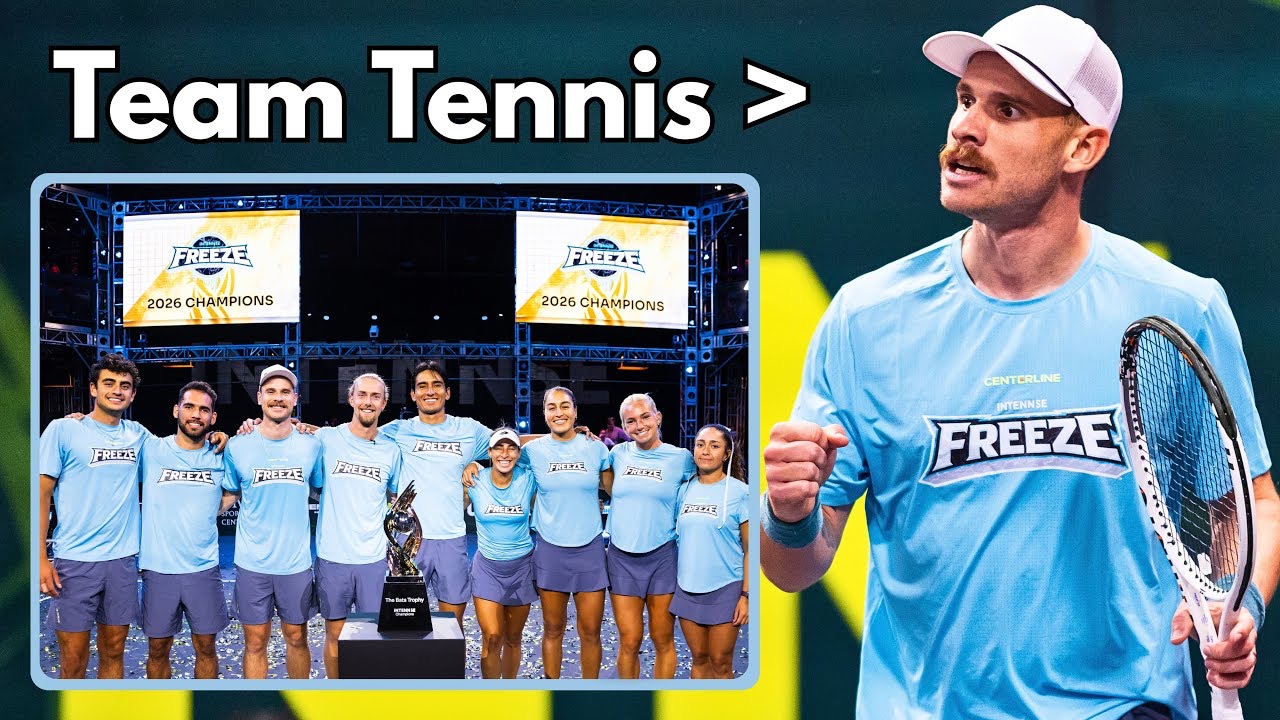
Karue Sell — “the best (and highest paid) experience of my tennis career” · 19:38 · Watch on YouTube
■ Why we sent this
We’d like the family to own part of it.
Not a team. The league: the format, the draft, the season, the media rights and the pathway underneath them.
Why the family, specifically
Most people who invest in a new league are learning what a team is worth. This family has spent fifteen years finding out — in hockey, in football, in a college program built from nothing — and has a daughter who has made the case for tennis players more clearly than anyone we have heard.
We’d rather have owners who know how a team sport is run than capital that doesn’t. If it’s worth an hour, we’ll bring the model and the numbers and make the time whenever it suits you.
■ Where an hour could lead
A seat at the league table
A stake in the property itself, and a voice in how it grows: from ten teams in one metro today, to a home market for every team by 2028, and on from there — which cities, in what order, with which owners.
The team-sports playbook
Season tickets, local broadcast, sponsorship, arena nights. The things that make a franchise valuable are things the family has done at the highest level. Tennis has never had anyone to do them.
Players as owners
Jessica named shared ownership as what creates commitment. Sloane Stephens, the Bryan Brothers, Diego Schwartzman and Shep Rose have already joined INTENNSE teams as partners, alongside Martin Brodeur and Terrell Owens. It is a league built to be shared.